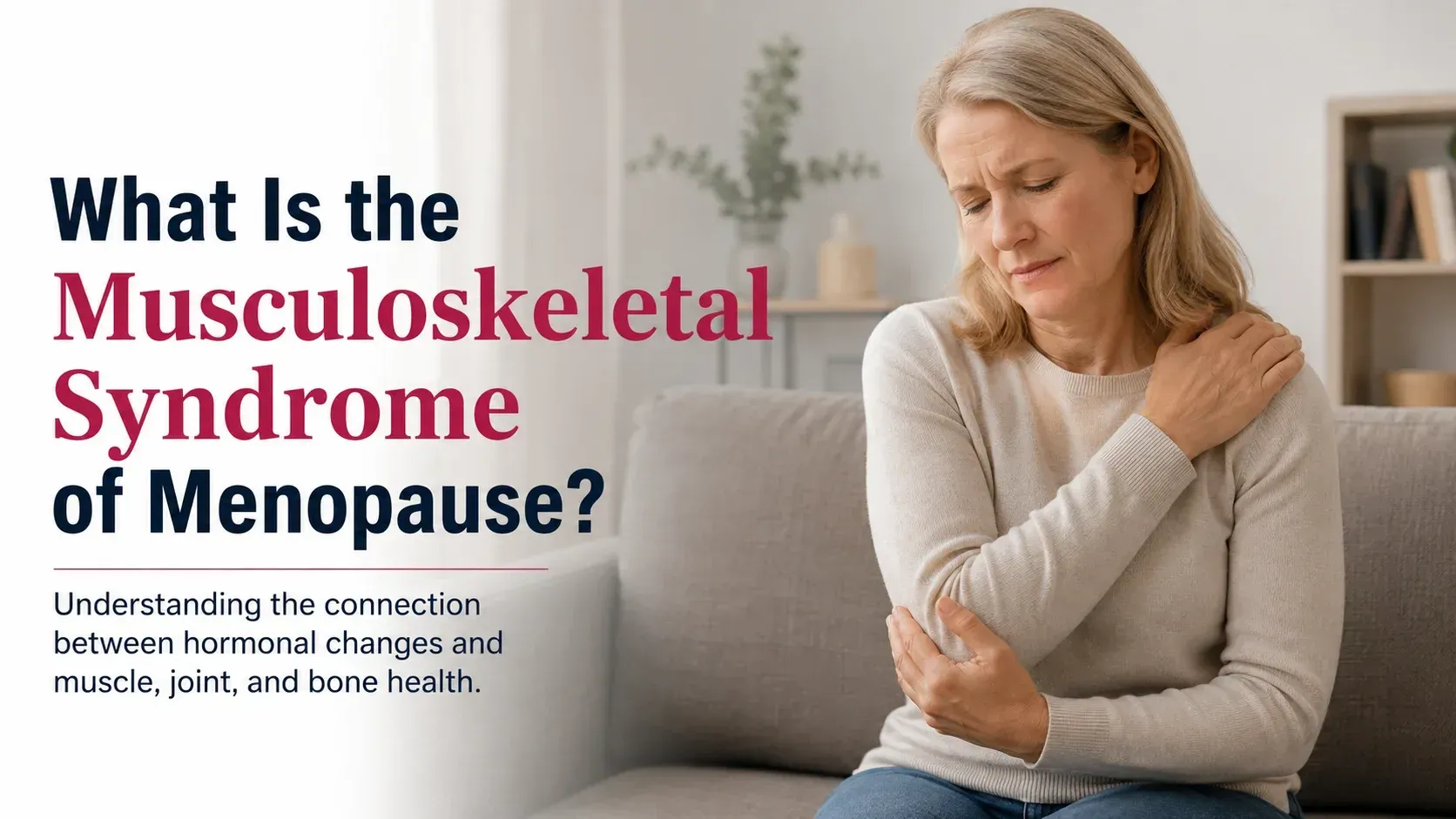
What Is the Musculoskeletal Syndrome of Menopause?
A Functional Nutritionist does everything a Functional Medicine Practitioner does, but takes it to a whole new level by incorporating “Restorative Medicine.” This is holistic approach to health by incorporating food, sleep, stress, fitness, and toxic environmental factors, in the effort to reduce the risk of chronic disease.Functional Nutritionists use a systems-oriented approach by reviewing behaviors that may contribute to long-term health problems. By looking at all of these components, the functional nutritionist can use science, clinical expertise, and nutrition tools to encourage behavior modification and change to correct the root cause of the illness.
Functional Nutritionist Academy offers a fast track on-boarding step-by-step state of the art approach to becoming a Board Certified Functional Nutritionist.
For information go to : https://functionalnutritionistacademy.com
They provide an online board certification program accredited and recognized by the American Association of Drugless Practitioners (AADP) certification No. 17204112 and the International Certification and Accreditation Board.
The course also offers continuing education units (CEU’s) for Acupuncturists, Chiropracters and Naturopaths.
About the Author
Think of the word “restorative”. A Functional Nutritionist seeks to restore peak performance of all systems of the body using a holistic approach to health by restoring proper gut function; eliminating dysbiosis, poor digestion, addressing Leaky Gut, SIBO, Candida or other infections as well as Biofilms. Functional Nutritionists recognize that certain foods can disrupt gut function and cause inflammation; therefore, they incorporate “Therapeutic Diets”, and seek to reduce inflammation which can cause many illnesses.
They improve sleep hygiene, stress management, fitness, and reduce toxic environmental factors, all in an effort to reduce the risk of chronic disease. They balance hormones with natural approaches, reducing the risk of cancer. Hormones include thyroid, adrenal, and endocrine (sex) hormones. They improve brain function through diet and lifestyle changes. They use epigenetics and genetic testing to avoid triggering gene expression, so their client will know what foods to avoid, or which are best , what medicines may be harmful, what nutritional supplements will help, what exercises are best incorporated all based on their genes.
Functional Nutritionist use a systems –oriented approach while recognizing the web-like connections between systems and reviewing behaviors that may contribute to long-term health problems. By looking at all of these components, the Functional Nutritionist can use science, Functional laboratory Tests, clinical expertise, and nutrition tools to bring back proper function of all systems of the body to peak performance, encourage behavior modification and change to correct the root (underlying) cause of the illness, which often has a root in poor diet, the wrong diet and poor lifestyle choices.

Table of Contents
- Understanding the Musculoskeletal Syndrome of Menopause
- Why Hormonal Changes Affect Muscles and Joints
- Common Signs and Symptoms
- How This Differs From Normal Aging
- Who Is Affected and When It Typically Begins
- Evaluation and Diagnosis Considerations
- Lifestyle Factors Worth Understanding
- When to Talk to a Healthcare Provider
- Conclusion
- Frequently Asked Questions
Key Takeaways
- The musculoskeletal syndrome of menopause refers to a group of joint, muscle, and connective tissue changes linked to declining estrogen during perimenopause and menopause.
- Common signs include joint stiffness, muscle loss, tendon pain, and a higher risk of injuries such as frozen shoulder.
- These changes are related to hormonal shifts, not simply "getting older," though age and hormones often overlap.
- No single test diagnoses this condition on its own. A broader picture, including symptoms, history, and sometimes lab work, is usually needed.
- Talking with a qualified healthcare provider is the most reliable way to understand what is happening in your specific case.
Introduction
The musculoskeletal syndrome of menopause is a term used to describe joint pain, muscle loss, and connective tissue changes that many women notice during perimenopause and menopause. It is tied to the drop in estrogen that happens during this transition, since estrogen plays a role in muscle, tendon, and joint health. For women in Agoura Hills and elsewhere who are dealing with new aches, stiffness, or a feeling that their body is not recovering the way it used to, understanding this term can help put a name to something real, rather than something to dismiss as "just aging."
This topic matters because musculoskeletal symptoms are often overlooked or misattributed during menopause. Many women are told their joint pain is unrelated to hormones, when research suggests otherwise. Getting a clearer picture of what is happening in the body can support better conversations with healthcare providers and more informed decisions about care.
Understanding the Musculoskeletal Syndrome of Menopause
The term was introduced to describe a pattern of symptoms, rather than a single diagnosis with one clear test. It groups together joint pain, muscle loss, tendon and ligament changes, and a higher likelihood of certain injuries during the menopause transition.
This is not a formal diagnosis in the same way as, say, osteoarthritis. It is more of a framework that helps explain why so many women experience musculoskeletal symptoms around the same time their hormones shift.
Why Hormonal Changes Affect Muscles and Joints
Estrogen receptors exist throughout the musculoskeletal system, including in muscle tissue, tendons, ligaments, and cartilage. When estrogen levels decline, several tissues can be affected at once.
Estrogen appears to play a role in:
- Muscle protein synthesis, which supports muscle repair and maintenance
- Collagen production, which affects tendon and ligament strength
- Joint lubrication, through its influence on synovial fluid
- Bone density, which is separate from but related to joint health
When estrogen drops during perimenopause and menopause, these processes can slow down or become less efficient. This does not happen the same way or at the same pace for every woman.
Common Signs and Symptoms
Symptoms vary, and not every woman experiences all of them. Some are mild, while others are noticeable enough to affect daily activities.
Joint Pain and Stiffness
Joint pain, sometimes called arthralgia, is one of the most frequently reported symptoms. It often affects the hands, knees, hips, and shoulders, and tends to be worse in the morning.
Muscle Loss and Weakness
A gradual decline in muscle mass, sometimes called sarcopenia, can accelerate during menopause. This may show up as reduced strength, slower recovery after activity, or a general sense of weakness.
Tendon and Connective Tissue Changes
Tendons and ligaments may become stiffer or more prone to injury. Frozen shoulder, medically known as adhesive capsulitis, is reported more often in women during this life stage than at other times.
Increased Injury Risk
With changes in muscle strength and joint stability, some women notice a higher likelihood of strains, sprains, or slower healing after minor injuries.
How This Differs From Normal Aging
Aging on its own does bring changes to muscles and joints, regardless of hormonal status. What sets the musculoskeletal syndrome of menopause apart is the timing and the specific role that estrogen decline appears to play.
Some women notice a fairly sudden shift in symptoms around perimenopause, rather than a slow, steady decline typically associated with aging alone. This distinction matters because it suggests hormonal factors, not just the passage of time, may be contributing to what a woman is experiencing.
Who Is Affected and When It Typically Begins
Musculoskeletal symptoms tied to menopause can begin during perimenopause, often years before a woman's final period. Reported prevalence varies across studies, but joint and muscle symptoms are consistently among the most common complaints during this transition.
Factors that may influence severity include overall health history, activity level, prior joint or muscle conditions, and individual hormonal patterns. There is no fixed age or timeline that applies to every woman.
Evaluation and Diagnosis Considerations
Because there is no single lab test that confirms this syndrome, evaluation typically involves a combination of factors. A healthcare provider may review symptom history, physical activity, menstrual history, and sometimes order hormone lab testing to get a fuller picture of what is happening hormonally.
Some providers may also recommend a more detailed hormone panel test to look at estrogen and related hormone levels alongside reported symptoms. Lab results alone do not diagnose musculoskeletal syndrome of menopause. They are one piece of a larger evaluation.
It is worth noting that joint and muscle symptoms can also stem from other conditions, including autoimmune disorders or nutrient deficiencies. Ruling these out is typically part of a thorough evaluation.
Lifestyle Factors Worth Understanding
While this article does not offer guarantees about outcomes, there are general lifestyle factors that researchers and clinicians often discuss in relation to musculoskeletal health during menopause.
- Resistance training and weight-bearing activity are commonly associated with muscle and bone maintenance.
- Adequate protein intake is often discussed in relation to muscle repair.
- Sleep quality can influence recovery and pain perception.
- Some women explore options such as a nutrition consultation to review how diet may relate to their overall health during this transition.
These factors are general considerations, not a personalized treatment plan. What works for one woman may not apply to another, and any changes to diet or exercise should take individual health history into account.
When to Talk to a Healthcare Provider
If joint pain, muscle weakness, or stiffness is new, worsening, or interfering with daily life, it is reasonable to bring this up with a healthcare provider. This is especially true if symptoms appear alongside other signs of perimenopause or menopause, such as irregular periods, hot flashes, or sleep changes.
A provider familiar with hormonal health, such as those offering functional medicine services, may be able to help sort through whether symptoms are related to hormonal shifts, aging, another underlying condition, or some combination of these.
Persistent or severe pain, sudden loss of joint function, or signs of injury should always be evaluated promptly, regardless of suspected cause.
Conclusion
The musculoskeletal syndrome of menopause describes a real and increasingly recognized pattern of joint pain, muscle loss, and connective tissue changes linked to declining estrogen during the menopause transition. It is not the same as ordinary aging, though the two can overlap and are sometimes hard to separate.
Understanding this term does not replace a proper medical evaluation, but it can help women recognize that their symptoms may have a hormonal component worth discussing. Informed conversations with a qualified healthcare provider remain the most reliable way to understand individual symptoms and appropriate next steps.
If you are trying to make sense of new joint or muscle symptoms during perimenopause or menopause, learning more about this topic before your next appointment can help you ask better questions and make informed decisions about your care. This information is intended to support that process, not to replace personalized medical advice.
Frequently Asked Questions
Title or QuestIs the musculoskeletal syndrome of menopause an official medical diagnosis?ion
No. It is a descriptive term used to group related symptoms, not a standalone diagnosis with a single diagnostic code or test.
What is the most common symptom associated with this syndrome?
Joint pain, often called arthralgia, is one of the most frequently reported symptoms, though muscle weakness and stiffness are also common.
Title or Can musculoskeletal symptoms start before periods stop completely?
Yes. Many women report joint and muscle symptoms during perimenopause, sometimes years before their final menstrual period.
Does hormone testing confirm this condition?
Hormone testing can provide useful information about estrogen and related hormone levels, but it does not confirm this syndrome on its own. It is typically considered alongside symptoms and other health history.
Are these symptoms the same as arthritis?
Not necessarily. Some symptoms overlap with arthritis, but musculoskeletal syndrome of menopause is a broader term that includes muscle and tendon changes, not just joint inflammation.
Should every woman expect to experience this syndrome?
No. Symptom severity and presence vary widely. Some women notice little change, while others experience more noticeable joint or muscle symptoms.
Can lifestyle changes reverse these symptoms?
There is no guarantee that lifestyle changes will reverse symptoms. Some general factors, such as strength training and adequate protein intake, are commonly discussed in relation to musculoskeletal health, but individual results vary and a healthcare provider should be consulted for personalized guidance.