
What Is LipoMelt and How Does LED Fat Reduction Work?
A Functional Nutritionist does everything a Functional Medicine Practitioner does, but takes it to a whole new level by incorporating “Restorative Medicine.” This is holistic approach to health by incorporating food, sleep, stress, fitness, and toxic environmental factors, in the effort to reduce the risk of chronic disease.Functional Nutritionists use a systems-oriented approach by reviewing behaviors that may contribute to long-term health problems. By looking at all of these components, the functional nutritionist can use science, clinical expertise, and nutrition tools to encourage behavior modification and change to correct the root cause of the illness.
Functional Nutritionist Academy offers a fast track on-boarding step-by-step state of the art approach to becoming a Board Certified Functional Nutritionist.
For information go to : https://functionalnutritionistacademy.com
They provide an online board certification program accredited and recognized by the American Association of Drugless Practitioners (AADP) certification No. 17204112 and the International Certification and Accreditation Board.
The course also offers continuing education units (CEU’s) for Acupuncturists, Chiropracters and Naturopaths.
About the Author
Think of the word “restorative”. A Functional Nutritionist seeks to restore peak performance of all systems of the body using a holistic approach to health by restoring proper gut function; eliminating dysbiosis, poor digestion, addressing Leaky Gut, SIBO, Candida or other infections as well as Biofilms. Functional Nutritionists recognize that certain foods can disrupt gut function and cause inflammation; therefore, they incorporate “Therapeutic Diets”, and seek to reduce inflammation which can cause many illnesses.
They improve sleep hygiene, stress management, fitness, and reduce toxic environmental factors, all in an effort to reduce the risk of chronic disease. They balance hormones with natural approaches, reducing the risk of cancer. Hormones include thyroid, adrenal, and endocrine (sex) hormones. They improve brain function through diet and lifestyle changes. They use epigenetics and genetic testing to avoid triggering gene expression, so their client will know what foods to avoid, or which are best , what medicines may be harmful, what nutritional supplements will help, what exercises are best incorporated all based on their genes.
Functional Nutritionist use a systems –oriented approach while recognizing the web-like connections between systems and reviewing behaviors that may contribute to long-term health problems. By looking at all of these components, the Functional Nutritionist can use science, Functional laboratory Tests, clinical expertise, and nutrition tools to bring back proper function of all systems of the body to peak performance, encourage behavior modification and change to correct the root (underlying) cause of the illness, which often has a root in poor diet, the wrong diet and poor lifestyle choices.
Key Takeaways
- LipoMelt is a branded LED light therapy device marketed for non-invasive body contouring, using red and near-infrared light aimed at reducing circumference in targeted areas.
- The proposed mechanism involves light exposure temporarily affecting fat cell membranes, though the exact biological process in living tissue is not fully established through independent research on this specific device.
- LED lipolysis devices in this category are generally FDA-cleared for temporary circumference reduction, not for fat cell destruction, significant weight loss, or permanent fat removal.
- Results reported in industry materials are typically modest and temporary, and treatment usually requires multiple sessions along with ongoing diet and activity habits to maintain any change.
- This approach differs meaningfully from surgical fat removal methods, and understanding those differences is useful before comparing cost, downtime, and expected results.
Table of Contents
- What Is LipoMelt
- How LED Fat Reduction Works
- What Research Says About LED Lipolysis
- LipoMelt Compared to Other Fat Reduction Methods
- Common Misunderstandings
- A Realistic Example
- Risks, Limitations, and Trade-Offs
- What Typical Online Advice Overlooks
- Who Might Consider LED Fat Reduction
- Conclusion
- Frequently Asked Questions
Introduction
LipoMelt is a branded LED light therapy device that uses red and near-infrared light aimed at targeted body areas, marketed as a non-invasive option for temporary circumference reduction rather than significant weight loss. Understanding how this technology works, and what it can and cannot realistically do, matters because body contouring devices are often marketed with language that implies more permanent or dramatic results than the underlying research supports. Women exploring non-surgical options in Agoura Hills sometimes come across LipoMelt alongside other services offered through practices that provide functional medicine services, which is why understanding the mechanism and evidence behind it is worth reviewing before deciding whether it fits a particular goal.
This article explains what LipoMelt is, how LED fat reduction is proposed to work, what independent research supports, and how it compares to other available options, including realistic limitations.
What Is LipoMelt
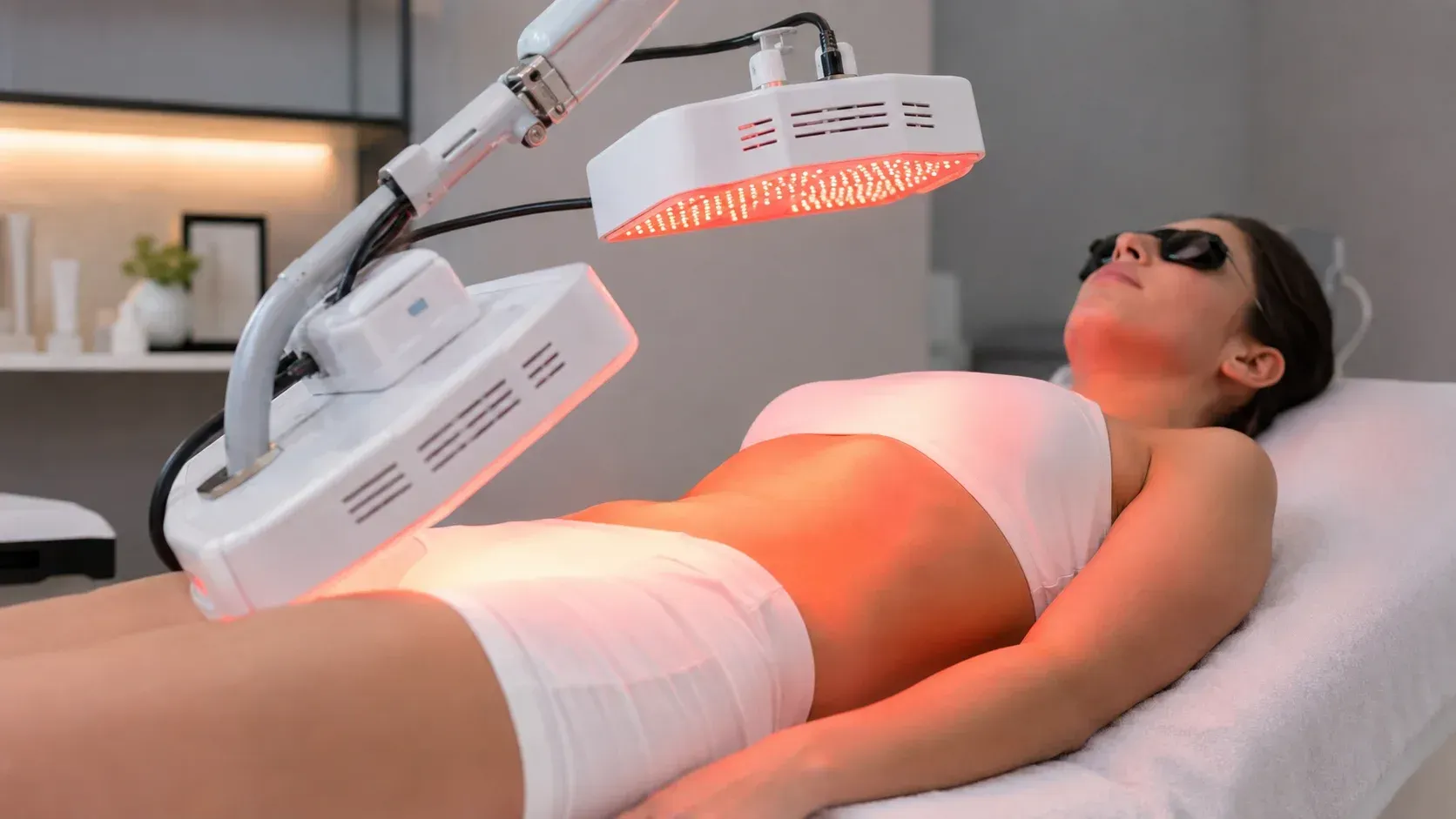
Direct Answer: LipoMelt is a commercial name for an LED light therapy device that applies red and near-infrared light to the skin over targeted fat deposits, marketed primarily for temporary reduction in body circumference rather than fat loss in the medical sense.
The device belongs to a broader category sometimes called low-level laser therapy or LED lipolysis, which includes other branded systems that use similar light-based technology. These devices are typically used in spas, medical aesthetics offices, and some integrative health practices as part of a body contouring service.
It is worth noting that most published, peer-reviewed research in this category has studied earlier and more established devices, such as certain low-level laser systems that received specific FDA clearance for circumference reduction. Independent, published research specifically on the LipoMelt brand is limited, so much of what is available comes from manufacturer materials rather than independent clinical trials.
How LED Fat Reduction Works
Direct Answer: LED fat reduction is proposed to work by exposing fat cells to specific wavelengths of red or near-infrared light, which manufacturers claim temporarily increases the permeability of fat cell membranes, allowing stored lipids to be released and processed by the body's lymphatic system.
The Role of Red and Near-Infrared Light
The light wavelengths used in these devices, typically in the red and near-infrared range, are chosen because they can penetrate skin to a shallow depth without generating significant heat, unlike some other body contouring technologies such as laser or radiofrequency devices that work through heat-based tissue disruption.
What Happens During a Session
During a typical session, panels or pads emitting the light are positioned over the treatment area while the person rests for a set period, often in the range of twenty to forty minutes. Sessions are generally described as non-invasive and are not reported to involve pain, heat, or downtime in manufacturer materials.
Typical Treatment Course
Most protocols for this category of device involve multiple sessions over several weeks, rather than a single treatment, since manufacturers describe the effect as cumulative. Maintenance sessions are often recommended to help sustain any circumference change achieved.
What Research Says About LED Lipolysis
Independent research on low-level laser and LED-based fat reduction is limited compared to more established weight management approaches such as diet, exercise, or surgical procedures. Some earlier studies on specific low-level laser devices reported modest, temporary reductions in waist, hip, or thigh circumference following a series of treatments, which supported the FDA clearance those specific devices received for circumference reduction.
However, these findings do not necessarily apply directly to every device marketed under this category, including LipoMelt specifically, since formulation of wavelength, intensity, and treatment protocol can differ between brands. Additionally, most available studies have been relatively small, industry-funded, or short in duration, which limits how confidently the results can be generalized.
Importantly, circumference reduction is not the same as fat loss confirmed through imaging or body composition testing. Some proposed mechanisms, such as fat cells fully emptying and being metabolized, have not been consistently confirmed through independent, high-quality human research.
LipoMelt Compared to Other Fat Reduction Methods
The table below compares general characteristics of LED lipolysis with other commonly discussed fat reduction approaches, recognizing that specific outcomes vary by individual and by provider.
| Factor | LED Lipolysis (LipoMelt) | Cryolipolysis (e.g., CoolSculpting) | Liposuction |
|---|---|---|---|
| Invasiveness | Non-invasive | Non-invasive | Surgical |
| Mechanism | Light exposure to fat cell membranes | Controlled cold exposure to fat cells | Direct surgical fat removal |
| Downtime | Typically none reported | Minimal, some soreness | Days to weeks |
| Permanence | Often described as requiring maintenance | Some fat cell reduction may be longer lasting | More permanent removal of treated fat cells |
| Evidence base | Limited, especially for specific brands | More established, FDA-cleared for fat reduction | Well established surgical outcomes |
| Typical use case | Mild circumference reduction, body contouring add-on | Localized fat pockets resistant to diet and exercise | Larger volume fat removal |
A practical way to evaluate these options includes identifying the specific goal, whether that is modest circumference change or more significant fat removal, reviewing the evidence available for the specific device or procedure being considered, and weighing cost against expected downtime and durability of results.
Common Misunderstandings
Common belief: LipoMelt and similar LED devices cause permanent fat loss. What is actually true: These devices are generally marketed and cleared for temporary circumference reduction, and maintaining results typically requires ongoing sessions or lifestyle habits, since the underlying fat cells are not necessarily destroyed the way they are with some other procedures. Why the distinction matters: Expecting permanent change from a temporary-effect device can lead to disappointment and unnecessary repeat spending.
Common belief: Because it is non-invasive, LED fat reduction works as well as surgical options. What is actually true: Non-invasive fat reduction methods generally produce more modest changes than surgical fat removal, and they are not considered a substitute for procedures like liposuction when significant fat volume reduction is the goal. Why the distinction matters: Comparing these options fairly requires understanding that they are designed for different scales of change.
Common belief: All LED lipolysis devices have the same research and results behind them. What is actually true: Research supporting this category largely comes from a small number of specific devices, and results do not automatically transfer to every branded system marketed with similar claims. Why the distinction matters: It is reasonable to ask what specific evidence exists for the exact device being offered, rather than assuming category-wide research applies equally.
A Realistic Example
Consider a hypothetical woman in her fifties who has maintained a stable weight through diet and exercise but has a stubborn area around her midsection that has not responded to those efforts. She is considering LipoMelt as an add-on to her existing routine rather than as a stand-alone weight loss method.
In this hypothetical scenario, her provider explains that any circumference reduction is likely to be modest, that results are not guaranteed, and that maintaining her existing diet and activity level will likely matter more for long-term change than the sessions themselves. She decides to proceed with a short series of sessions as a complementary step, with realistic expectations about the limited and temporary nature of the effect.
This example illustrates how LED fat reduction is generally positioned as a supplementary option rather than a primary weight management strategy.
Risks, Limitations, and Trade-Offs
LED lipolysis is generally described as low-risk compared to invasive procedures, since it does not involve incisions, anesthesia, or significant recovery time. However, "low-risk" does not mean risk-free or effective for everyone, and manufacturer safety claims are not the same as independent, peer-reviewed safety data.
A key limitation is that results are typically modest and temporary, which means this approach is less suitable for someone seeking significant or lasting fat reduction without continued lifestyle changes. Cost is also a trade-off to weigh, since multiple sessions are usually needed and are often billed as a package with ongoing maintenance recommended.
This approach may not be appropriate for certain medical conditions or during pregnancy, and any body contouring option should be discussed with a qualified provider who can review individual health history first.
What Typical Online Advice Overlooks
Marketing content for LED fat reduction devices often emphasizes before-and-after photos without clarifying how much of the visible change reflects the device itself versus concurrent diet, hydration changes, or measurement variability between sessions. This omission makes it difficult for readers to judge how much of a reported change is attributable to the treatment.
Generic comparisons between LED lipolysis, cryolipolysis, and liposuction frequently gloss over the difference between temporary circumference reduction and confirmed, imaging-verified fat cell reduction, treating these as interchangeable outcomes when they are not.
Finally, most consumer-facing content does not address that independent, device-specific research is often limited, meaning claims about a particular branded system, including LipoMelt, may rely more on manufacturer-provided data than on independently replicated clinical studies.
Who Might Consider LED Fat Reduction
LED fat reduction may be a reasonable option to discuss with a provider for someone seeking modest, temporary circumference reduction in a specific area, particularly as a complement to an existing diet and exercise routine rather than a replacement for it.
It is generally less appropriate for someone seeking significant fat volume reduction, a permanent result, or a solution that does not require ongoing maintenance. In those cases, a broader conversation about weight loss support options or a review with a provider may be more aligned with the goal.
Conclusion
LipoMelt is a branded LED light therapy device marketed for non-invasive, temporary circumference reduction, using red and near-infrared light exposure over targeted fat areas. While the broader category of LED lipolysis has some supporting research, most of that evidence comes from a small number of specific, earlier devices, and independent research on individual brands, including LipoMelt, remains limited.
Results reported for this category are generally modest, temporary, and dependent on continued sessions or lifestyle habits to maintain, which differs meaningfully from surgical fat removal options. Understanding this distinction supports a more realistic and informed decision about whether this type of treatment fits an individual's goals and expectations.
Curious Whether LED Fat Reduction Fits Your Goals in Agoura Hills?
If you are researching LipoMelt or similar LED fat reduction options, a conversation with a qualified provider can help clarify whether this approach realistically fits your specific goals, health history, and expectations. This is intended as an informational starting point, not a recommendation or guarantee of any particular result. A
nutrition consultation may also be a useful complementary step if your broader goal involves diet and lifestyle changes alongside any body contouring option you are considering. If you have questions before booking anything, feel free to
contact us to ask what options are available in Agoura Hills.
Frequently Asked Questions
What is LipoMelt LED fat reduction?
LipoMelt is a noninvasive body contouring treatment that applies LED light to targeted areas of the body. No needles or incisions are involved.
Is LipoMelt a weight loss treatment?
It's used for contouring specific areas rather than overall weight loss. For broader weight goals, it's usually paired with nutrition and lifestyle changes.
Is there downtime after LipoMelt?
Because the treatment is noninvasive, most people return to normal activities the same day. Ask about any aftercare guidance during your visit.
How many LipoMelt sessions will I need?
It varies by person and treatment area. Session count and spacing are covered at your consultation, so you know what the plan looks like before you begin.
Are LipoMelt results guaranteed?
No. Results vary with body type, the area treated, diet, and activity. A consultation helps set realistic expectations before you start treatment.